Blog

  • Fact-Checking the “56 Stones” Clickbait Headline

    Fact-Checking the “56 Stones” Clickbait Headline

    The image features a child in a hospital bed next to a medical tray displaying small stones arranged on gauze, alongside an emotional headline: “9-Year-Old Boy Found With 56 Stones in His Abdomen — Doctor Reveals the Cause, Mother Breaks Down After Learning It Was Something She Gave Him Every Day”.

    Despite the dramatic narrative designed to induce guilt and alarm parents, this headline is a classic clickbait template that oversimplifies and sensationalizes how kidney or urinary stones form.

    Medical Reality: What Causes Pediatric Stones?

    1. Stones Do Not Form From One Daily Habit Alone:
      • Kidney or urinary tract stones form when minerals (such as calcium, oxalate, or uric acid) crystallize in concentrated urine.
      • While habits like insufficient water intake, high-sodium diets, or excessive sugary soda consumption contribute to risk, medical professionals emphasize that stones are almost always caused by a combination of factors—including genetics, metabolic predispositions, and anatomical differences.
    2. No Single Food or Drink “Instantly” Creates 56 Stones:
      • Social media stories often claim a specific snack, supplement, or drink caused dozens of stones.
      • In reality, forming dozens of stones requires chronic, multi-factor mineral accumulation over extended periods. A parent occasionally or regularly giving a child a common beverage or snack does not act as a sole “poison”.

    Deconstructing the Clickbait Mechanics

    This post employs established engagement-farming tactics used by content farm pages across social media:

    • Parental Guilt & Emotional Triggers: Framing the health issue as “Something She Gave Him Every Day” directly taps into parental anxiety, provoking fear and outrage.
    • Extreme Numbers: Citing a specific, shocking quantity (“56 Stones”) drives high visual and text curiosity.
    • The “Rest of the Story” Trap: Omitting the name of the substance forces scrollers to click through ad-laden link networks or dig through the comment section, generating ad impressions and boosting algorithmic engagement.
  • Physiological Reality: Sleep Position and Acid Reflux

    Physiological Reality: Sleep Position and Acid Reflux

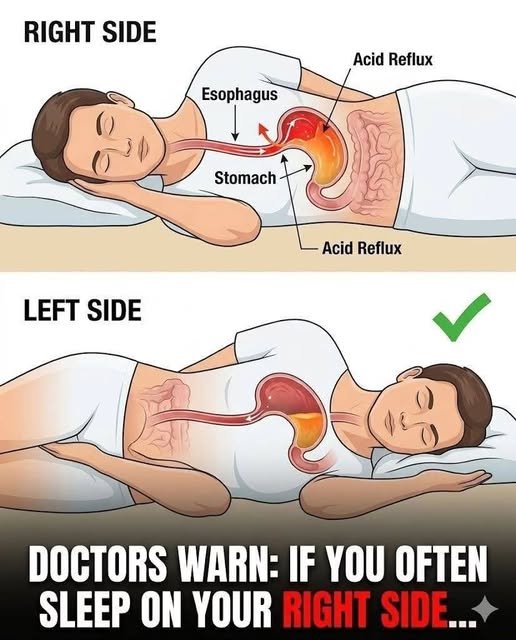
    The image illustrates a comparison between sleeping on the right side versus the left side, highlighting stomach acid flowing into the esophagus on the right side, paired with the clickbait headline: “DOCTORS WARN: IF YOU OFTEN SLEEP ON YOUR RIGHT SIDE…”

    While the graphic uses typical sensational formatting (complete with a trailing ellipsis and a glowing green checkmark), the underlying anatomical concept regarding gastroesophageal reflux disease (GERD) and heartburn is medically grounded, even if exaggerated into a catastrophic “warning.”

    The Medical Science of Sleeping Positions

    1. Why Right-Side Sleeping Can Worsen Reflux:
      • Anatomical Alignment: The human stomach sits primarily on the left side of the upper abdomen below the esophagus. The junction between the stomach and esophagus—the lower esophageal sphincter (LES)—is positioned higher when lying on the left side.
      • Gravity & Acid Pooling: When sleeping on your right side, the stomach sits higher than the lower part of the esophagus. This allows gastric acid to pool directly against the lower esophageal sphincter, increasing the likelihood of acid leaking upward into the esophagus, causing heartburn or GERD flare-ups.
    2. Why Left-Side Sleeping Offers Relief:
      • Gravity Advantage: Lying on your left side keeps the gastroesophageal junction elevated above the pool of gastric contents. Gravity naturally helps keep stomach acid contained below the sphincter.
      • Faster Clearance: Clinical studies confirm that while acid reflux can still occur on the left side, stomach acid clears from the esophagus significantly faster when sleeping on the left compared to the right.
    3. Context Matters (It Is Not a Universal Danger):
      • Sleeping on your right side is not inherently dangerous for healthy individuals who do not suffer from acid reflux, GERD, or hiatal hernias.
      • People without reflux issues can comfortably sleep on whichever side or position provides the best spinal alignment and rest quality.

    Deconstructing the Clickbait Mechanics

    This post leverages classic engagement-farming strategies to drive views:

    • Truncated Curiosity Gap (“IF YOU OFTEN SLEEP ON YOUR RIGHT SIDE…”): Cutting off the title mid-phrase forces users to click through to an article or hunt through the comments to find out what “happens” to them.
    • Exaggerated Alarmism (“DOCTORS WARN”): Framing a simple postural tip for heartburn management as an urgent medical “warning” induces unnecessary anxiety in average sleepers.
    • Universal Relatability: Millions of people sleep on their side, making the graphic immediately relevant to a vast audience. Viewers tag partners or discuss sleep habits in the comments, which algorithms reward with wider distribution.
  • Pest Reality: What Drain Flies Actually Mean in Your Home

    Pest Reality: What Drain Flies Actually Mean in Your Home

    The image shows tiny, fuzzy, moth-like insects resting near a sink drain alongside a dramatic headline: “IF YOU SEE THESE INSECTS IN YOUR BATHROOM, HERE’S WHAT THEY MAY BE TRYING TO TELL YOU…”

    Despite the ominous phrasing designed to generate fear, these insects are drain flies (family Psychodidae, also commonly called moth flies or filter flies). While annoying, they do not bite, sting, or spread disease to humans, but their presence points directly to specific household maintenance issues.

    What Drain Flies Are “Trying to Tell You”

    1. Organic Debris Accumulation in Drains:
      • Drain flies feed and lay eggs in the gelatinous layer of organic sludge (hair, soap scum, grease, and dead skin cells) that builds up inside drain pipes, overflows, and trap bends.
    2. Stagnant Water or Hidden Moisture Leaks:
      • They thrive in slow-moving water or standing moisture. Seeing them frequently signals a clogged drain, a dry P-trap (in rarely used sinks), or an underlying plumbing leak under tile or drywall.
    3. Invasive Potential:
      • A single female drain fly can lay hundreds of eggs in drain buildup. If ignored, a minor presence can quickly become a full-blown infestation.

    How to Get Rid of Them Effectively

    • Scrub the Organic Sludge: Chemical drain openers rarely break down the thick gelatinous film where eggs live. Use a stiff drain pipe brush to manually scrub away organic debris inside the pipe.
    • Enzyme-Based Cleaners: Pour an enzyme drain cleaner down the pipe over several consecutive nights. The enzymes break down organic material without damaging plumbing.
    • Fix Leaks & Flush P-Traps: Repair any dripping faucets or under-sink leaks, and regularly run water down guest bathroom drains to keep P-traps filled with water, blocking entry.

    Deconstructing the Clickbait Formula

    This post uses standard engagement-farming mechanics to lure scrollers into clicking external links or opening the comment section:

    • Personification / Alarmist Framing: Framing insects as “trying to tell you” something mysterious creates an artificial narrative trick.
    • The Suspenseful Ellipsis (…): Cutting off the sentence encourages curiosity without offering immediate value.
    • The Red Inset Circle: Drawing an unnecessary red circle around the obvious main subject pulls visual attention immediately to boost dwell time on the post.
  • Fact-Checking the “Dangerous Everyday Meat” Claim

    Fact-Checking the “Dangerous Everyday Meat” Claim

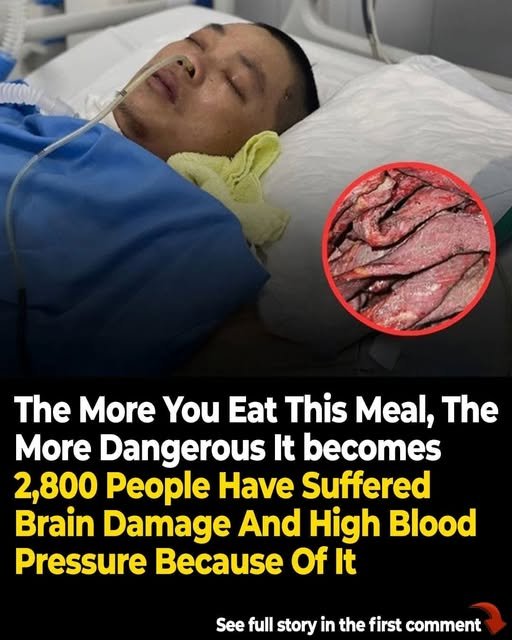
    The graphic features a patient in a hospital setting alongside a inset image of sliced raw meat and an alarmist headline: “The More You Eat This Meal, The More Dangerous It becomes – 2,800 People Have Suffered Brain Damage And High Blood Pressure Because Of It”.

    While the headline makes sensational, vague claims designed to generate shock and clicks, the image uses real clinical photo assets taken out of context to promote misinformed health claims.

    The Real Story Behind the Photo

    1. Undercooked Pork and Parasitic Infection (Neurocysticercosis):
      • The hospital photo shows a patient who suffered from a severe parasitic infection after eating undercooked or raw pork infected with Taenia solium (pork tapeworm).
      • When ingested, tapeworm larvae can enter the bloodstream and form cysts in organs, muscles, and the brain—a medical condition known as neurocysticercosis. This can cause seizures, headaches, and neurological complications.
    2. Misrepresenting the Risk:
      • The headline frames the danger around an everyday meat or meal that becomes progressively toxic the more you eat it.
      • In reality, eating properly cooked, inspected meat poses no risk of parasitic infection. The health risk stems exclusively from consuming raw or undercooked meat contaminated with parasites.

    Deconstructing the Clickbait Tactics

    • Fabricated / Unrelated Statistics: The claim that “2,800 People Have Suffered Brain Damage And High Blood Pressure Because Of It” mixes arbitrary numbers with unrelated medical conditions to sound like an official health advisory.
    • Visceral Inset Image: Placing a red circle with sliced raw meat right next to an ICU patient triggers immediate disgust and fear, driving scrollers to pause.
    • Comment Funnel (“See full story in the first comment”): Forcing users into the comment section or onto external link networks generates ad revenue for content farms and tricks social media algorithms into promoting the post.
  • Nutritional Science: The Reality of Eating Bananas After Age 50

    Nutritional Science: The Reality of Eating Bananas After Age 50

    The image shows a hand holding a peeled banana over a bunch of ripe bananas paired with the incomplete clickbait title: “If you’re over 50, eating one banana a day could cause…”

    While viral health headlines often try to frame bananas as a hidden danger for older adults, eating one banana a day is safe, highly nutritious, and beneficial for the vast majority of people over 50.

    Health Benefits for Adults Over 50

    1. Supports Healthy Blood Pressure:
      • Bananas are rich in potassium (around 400–450 mg per medium fruit). Adequate potassium intake helps offset the effects of sodium in the diet and reduces tension in blood vessel walls, helping manage high blood pressure.
    2. Promotes Digestive Health:
      • A single banana provides about 3 grams of dietary fiber, including soluble fiber and pectin, which support smooth digestion and help maintain a healthy gut microbiome.
    3. Provides Cardiovascular & Muscle Support:
      • The combination of potassium and magnesium in bananas supports proper heart rhythm, muscle contraction, and fluid balance—key areas of focus as adults age.

    When Might Bananas Require Caution?

    While rare for healthy individuals, there are specific medical contexts where potassium or carbohydrate monitoring is necessary:

    • Kidney Disease (Hyperkalemia Risk): Individuals with advanced chronic kidney disease (CKD) or kidney failure may struggle to filter excess potassium from the bloodstream. High blood potassium (hyperkalemia) can cause dangerous cardiac arrhythmias.
    • Potassium-Sparing Medications: Patients taking certain blood pressure medications (like ACE inhibitors, ARBs, or potassium-sparing diuretics) may need to monitor high-potassium foods as advised by their doctor.
    • Diabetes Management: Bananas contain natural sugars and carbohydrates. While they have a low-to-moderate glycemic index, individuals with type 2 diabetes should pair bananas with a protein or healthy fat (like peanut butter or yogurt) to prevent sharp blood sugar spikes.

    Deconstructing the Age-Based Health Clickbait

    This graphic relies on classic content-farm tactics to generate clicks and shares:

    • Demographic Targeting (“If you’re over 50”): Specific age callouts make readers feel personally targeted, increasing anxiety and curiosity.
    • The Suspenseful Cutoff (“could cause…”): Cutting off the headline creates an artificial “curiosity gap,” forcing scrollers to click through ad-heavy articles or hunt in the comment section for the conclusion.
    • Demonizing Everyday Foods: Targeting universally consumed, healthy staple foods drives controversy and debate in the comments, which algorithms reward by pushing the post to more user feeds.
  • Nutritional Reality: Deconstructing “Miracle Remedy” Salt/Sugar Claims

    Nutritional Reality: Deconstructing “Miracle Remedy” Salt/Sugar Claims

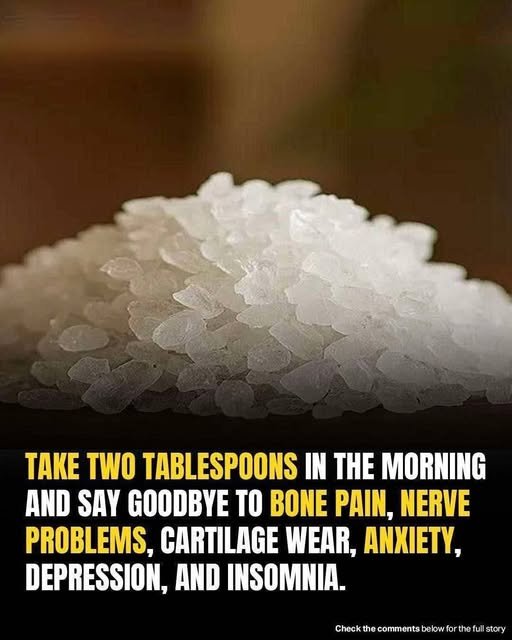
    The image shows a close-up pile of coarse crystal salt (or coarse rock sugar) accompanied by an extraordinary claim: “TAKE TWO TABLESPOONS IN THE MORNING AND SAY GOODBYE TO BONE PAIN, NERVE PROBLEMS, CARTILAGE WEAR, ANXIETY, DEPRESSION, AND INSOMNIA” paired with the comment redirect “Check the comments below for the full story”.

    Despite the sensationalized promise of a universal cure, there is zero medical evidence supporting the claim that consuming raw spoonfuls of salt or sugar cures complex neurological, orthopedic, or psychiatric conditions. In fact, consuming two tablespoons of these substances daily poses significant health risks.

    The Biological Risks of the Claim

    1. Dangerous Sodium Intake (If Sea Salt / Himalayan Salt):
      • Excessive Dosage: Two tablespoons of coarse sea salt contains roughly 30,000 to 35,000 milligrams of sodium. The recommended daily limit for an adult by the World Health Organization (WHO) is under 2,000 milligrams (about one teaspoon of salt).
      • Health Consequences: Ingesting this amount of sodium in one sitting can trigger severe electrolyte imbalances, extreme dehydration, rapid spikes in blood pressure (hypertension), strain on the kidneys, and potential hypernatremia (which requires emergency medical care).
    2. Dangerous Sugar Spikes (If Rock Sugar / Coarse Sugar):
      • Excessive Dosage: Two tablespoons of coarse sugar provides roughly 25 to 30 grams of pure sucrose.
      • Health Consequences: Consuming high doses of refined sugar on an empty stomach triggers dramatic blood sugar spikes followed by steep insulin crashes, which can actually exacerbate fatigue, anxiety, and mood fluctuations rather than relief. Chronic overconsumption increases the risk of type 2 diabetes and metabolic dysfunction.
    3. Complex Conditions Require Targeted Care:
      • Bone degeneration (osteoarthritis), nerve damage (neuropathy), depression, and clinical insomnia are complex medical conditions driven by distinct biological, hormonal, or structural causes. No single dietary ingredient acts as a cure-all for these vastly different systems.

    Deconstructing “Miracle Remedy” Clickbait Mechanics

    This post follows a classic “content farm” template designed to drive traffic and affiliate sales:

    • The Cure-All Shopping List: Attaching a single ingredient to a long list of completely unrelated ailments (joint pain, mental health, sleep disorders) ensures that almost every scroller sees at least one issue they suffer from, maximizing interest.
    • Extreme Specificity vs. Absence of Name: Telling the user exact instructions (“two tablespoons in the morning”) creates the illusion of a legitimate medical protocol, while omitting the name of the substance forces users to engage.
    • The Comment Section Funnel: Writing “Check the comments below for the full story” tricks scrollers into opening the comment section or clicking external links (often leading to ad-heavy websites, fake health blogs, or sketchy supplement storefronts). High comment interaction tricks algorithm feeds into pushing the post to thousands of other users.
  • Radiologic Reality: Deconstructing the “Severe Constipation” X-Ray

    Radiologic Reality: Deconstructing the “Severe Constipation” X-Ray

    The image displays a abdominal radiograph (specifically a barium enema or contrast scan) showing an immensely elongated and dilated colon extending high into the thoracic region. It is paired with a story: “This is an X-ray image of a young woman who suffered from chronic constipation… after experiencing continuous symptoms for over two weeks, she went for a medical check-up…”

    While this viral case photo originates from a real clinical finding in Taiwan, the backstory attached to it on social media frequently misrepresents the underlying condition as ordinary constipation rather than a severe, congenital anatomical anomaly.

    What the Image Actually Shows: Redundant Colon & Megacolon

    1. Redundant Colon (Dolichocolon):
      • The radiograph reveals an abnormally long large intestine that loops back on itself and displaced organ space. In a healthy adult, the colon is typically around 5 feet long; in extreme cases of dolichocolon, it can extend to twice that length.
      • Due to its excessive length, the colon must fold and loop to fit within the abdominal cavity, often pushing up toward the diaphragm or lungs.
    2. Congenital Megacolon vs. Standard Constipation:
      • Ordinary constipation caused by diet or dehydration does not cause a normal intestine to physically stretch and lengthen to this extreme degree in just a few weeks.
      • Severe anatomical presentations like this are usually related to congenital conditions (such as Hirschsprung’s disease or idiopathic chronic intestinal pseudo-obstruction), where missing nerve cells or muscle tone in the bowel prevent normal contractions (peristalsis), causing chronic dilation over years or decades.
    3. Contrast Study Technique:
      • The bright, well-defined radio-opaque areas at the bottom of the image are filled with a contrast agent (such as barium sulphate) administered during a specialized X-ray fluoroscopy to map the exact contours and structural abnormalities of the digestive tract.

    Deconstructing Medical Engagement Farming

    This post follows a typical health-clickbait template designed to weaponize shocking medical imagery:

    • Relatable Symptom Framing: Tying an extraordinary, rare congenital condition to a routine symptom like “constipation” makes scrollers fear that their own minor health issues could secretly be catastrophic, driving massive engagement.
    • Simplified Narrative: Reducing a complex lifelong anatomical pathology down to a sudden “two-week event” creates dramatic tension, encouraging users to share the post out of shock or concern.
    • Comment Section Debates: Medical images showing severe internal displacement naturally prompt users to ask questions, tag friends, or express disbelief, which platform algorithms reward with wider distribution.
  • Onco-Health Reality: Deconstructing Relationship “Cancer Risk” Clickbait

    Onco-Health Reality: Deconstructing Relationship “Cancer Risk” Clickbait

    The graphic features an animated illustration of a couple in bed overlaid with an anatomical diagram of the uterus and ovaries, accompanied by an alarmist headline: “Husbands With These 2 Bad Habits May Put Their Wives at Higher Risk of Br:east Can:cer – Stop Them Now Before They Harm The Whole Family”.

    While sensationalized content farms use fear-inducing headlines to drive traffic, evaluating the actual medical links between a partner’s habits and a person’s cancer risk reveals significant inaccuracies and deliberate misdirections in this graphic.

    Medical Fact-Checking: Partner Habits & Cancer Risks

    1. Secondhand Tobacco Smoke (The Real Environmental Risk):
      • The Reality: Exposure to secondhand smoke (passive smoking) from a partner who smokes inside the home or car is a well-established environmental risk factor.
      • Associated Risks: Secondhand smoke significantly increases a non-smoker’s risk of developing lung cancer, heart disease, and stroke. Some epidemiological studies also suggest a possible, minor link between long-term secondhand smoke exposure and increased breast cancer risk, though primary risk factors for breast cancer remain genetic (e.g., BRCA1/2 mutations), hormonal, and age-related.
    2. HPV Transmission & Cervical Cancer (Visual Mismatch):
      • The Reality: The anatomical diagram overlaid on the image displays the female reproductive system (uterus, fallopian tubes, and ovaries)—not breast tissue.
      • The Infection Link: Persistent infection with high-risk strains of Human Papillomavirus (HPV)—a extremely common sexually transmitted virus—is the primary cause of cervical cancer, as well as some anal, penile, and throat cancers. A partner carrying HPV can transmit it during intimate contact. However, HPV is not a cause of breast cancer.
    3. Censored Keywords (Br:east Can:cer):
      • The text intentionally misspells sensitive words as “Br:east Can:cer” to bypass automated social media content filters designed to detect health misinformation, medical claims, or advertiser-restricted topics.

    Deconstructing Health-Clickbait Mechanics

    This post combines several classic engagement-farming strategies:

    • Visual & Textual Mismatch: Pairing a headline about breast cancer with an illustration of the uterus and ovaries reveals that the graphic was hastily assembled from unrelated stock assets without regard for medical accuracy.
    • Guilt and Fear Appeal: Framing a partner’s everyday habits as an existential threat to the family (“Stop Them Now Before They Harm The Whole Family”) plays on emotional vulnerability to provoke immediate sharing among concerned spouses.
    • Artificial Urgency: Demanding immediate action (“Stop Them Now”) drives users to click external, ad-heavy blog links or flood the comments to ask what the “2 habits” are, inflating the post’s algorithmic reach.
  • Practical Reality: The True Function of the Hole in a Nail Clipper

    Practical Reality: The True Function of the Hole in a Nail Clipper

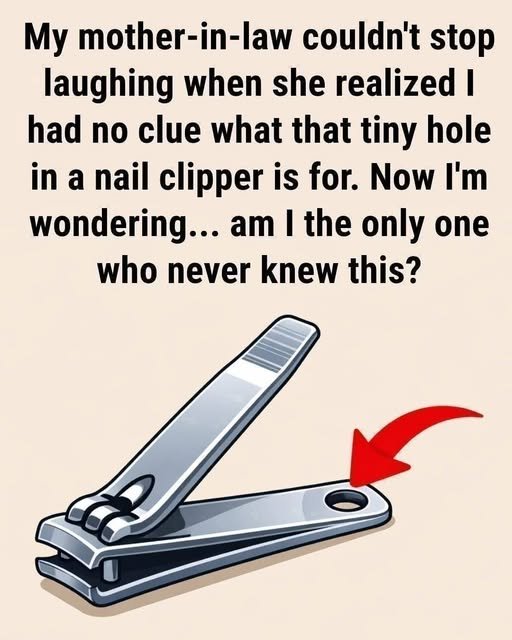
    The graphic features a simple illustration of a standard nail clipper with a bright red arrow pointing to the circular hole at the back base, paired with a classic social media narrative: “My mother-in-law couldn’t stop laughing when she realized I had no clue what that tiny hole in a nail clipper is for…”

    While viral articles and clickbait headlines attempt to frame this feature as a “hidden life hack” or secret multi-tool function, the primary reason for that small hole is entirely functional manufacturing, assembly, and attachment design.

    What the Hole is Actually For

    1. Keychain & Lanyard Attachment Point:
      • The most practical everyday use is to pass a small key ring, bead chain, or string through the hole so the clippers can be attached to a keychain, toiletry bag, or travel kit to prevent loss.
    2. Manufacturing & Assembly (Riveting / Stamping):
      • During industrial production, metal stamping machines punch out the clipper handles. Holes serve as alignment pin guides on factory conveyor lines so automated machinery can hold, position, and assemble the levers accurately.
      • On models with swinging fold-out nail files or debris catchers, the hole serves as the pivot or anchor point for a small pin or rivet holding those accessories attached to the base.
    3. Grip and Material Reduction:
      • Punching out a small circle reduces raw material weight across millions of manufactured units without sacrificing the structural integrity of the steel base.

    Debunking Common Viral “Life Hack” Myths

    Content-farm videos often invent bizarre “hidden uses” for this hole to farm engagement. Common false claims include:

    • “It’s a wire stripper” (Using the hole to strip electrical wire is inefficient, damages the metal, and poses a safety risk).
    • “It’s a thread cutter / needle threader” (While you can loop string through it, it is not engineered as a cutting die).
    • “It’s designed to bend paperclips or hooks” (Any hole in metal can bend wire, but that is not its intended design).

    Deconstructing Everyday Object Clickbait

    This post uses a classic content-farm strategy to drive social media reach:

    • Fabricated Social Shame / Relatability: Adding a fake personal story (“My mother-in-law couldn’t stop laughing…”) makes the reader feel out of the loop or curious about what they might be missing.
    • Visual Focal Point (The Red Arrow): Drawing an oversized red arrow pointing to a mundane object feature creates an instant visual hook, causing scrollers to pause mid-feed.
    • Comment Inflation: Asking a direct question (“am I the only one who never knew this?”) guarantees that hundreds of users will jump into the comments to post simple answers, debate hacks, or share personal stories. This comment activity signals high interaction to social media algorithms, pushing the graphic to a wider audience.
  • Nutritional Science: The Reality of Eating Bananas at Night

    Nutritional Science: The Reality of Eating Bananas at Night

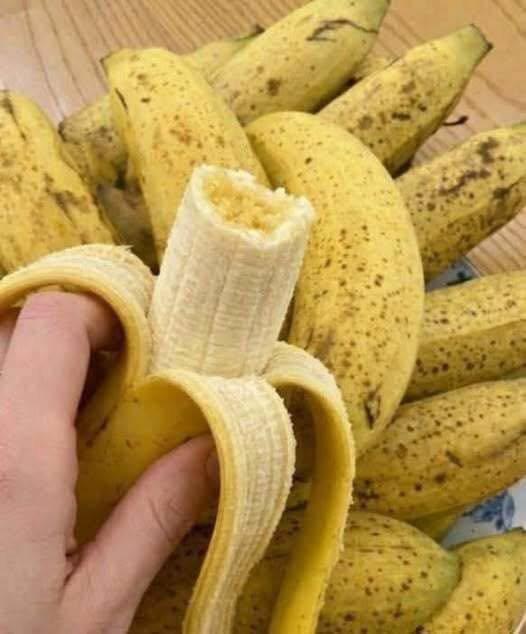
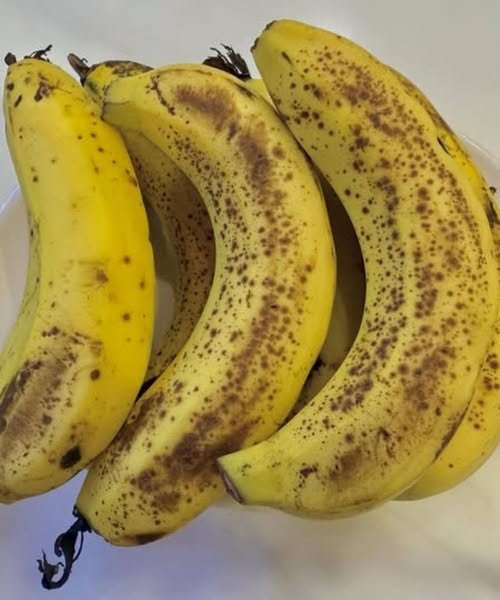
    The photo shows a cluster of ripe, spotted bananas alongside a classic clickbait sentence fragment: “Doctors reveal that eating bananas at night leads to…”

    While viral posts frame eating bananas before bed as either an unmitigated health disaster or a magical medical secret, the physiological reality is straightforward, safe, and generally beneficial for most people.

    What Actually Happens When You Eat a Banana at Night?

    1. Promotes Relaxation and Sleep:
      • Magnesium and Potassium: Bananas contain high levels of potassium and magnesium, essential minerals that act as natural muscle relaxants, helping ease physical tension before sleep.
      • Tryptophan and Vitamin B6: Bananas provide tryptophan—an essential amino acid that the brain converts into serotonin and subsequently into melatonin, the hormone that regulates your circadian rhythm and signals your body to sleep.
    2. Stabilizes Evening Blood Sugar:
      • Paired with a small protein or healthy fat (like a spoonful of peanut butter), the complex carbohydrates in a banana help prevent nocturnal hypoglycemia (blood sugar drops that can wake you up in the middle of the night).
    3. Potential Minor Considerations:
      • Acid Reflux / Indigestion: For individuals with severe GERD (gastroesophageal reflux disease), eating any food—including a banana—right before lying flat can trigger heart-burn or acid indigestion.
      • Dental Hygiene: Like any fruit containing natural sugars, eating a banana before bed requires brushing your teeth afterward to prevent tooth decay overnight.

    Deconstructing the “Bananas at Night” Clickbait Formula

    This graphic employs standard social media engagement tactics to generate clicks and shares:

    • The Incomplete Sentence (“Curiosity Gap”): Truncating the statement with an ellipsis (“leads to…”) tricks readers into believing there is a hidden medical danger or secret cure, forcing them to open the link or search the comments.
    • The Authority Appeal (“Doctors Reveal”): Invoking unnamed “doctors” provides false credibility to what is otherwise a generic health-clickbait template.
    • Weaponizing Common Everyday Foods: Because almost everyone eats bananas, targeting a universally consumed food creates high personal interest, ensuring massive share rates and comment debates that boost the post across platform algorithms.